
Software licensing has evolved significantly over the years, adapting to technological advancements and market demands. Traditionally, software was sold through perpetual licenses, securing long-term use with one-time payments. However, alternative licensing models like km spico have emerged, challenging conventional approaches while presenting opportunities and risks. These changes reflect a broader shift in how businesses and individuals access and utilize software solutions, moving away from static ownership towards dynamic usage models that cater to varied needs.
Understanding km Spico in Software Licensing
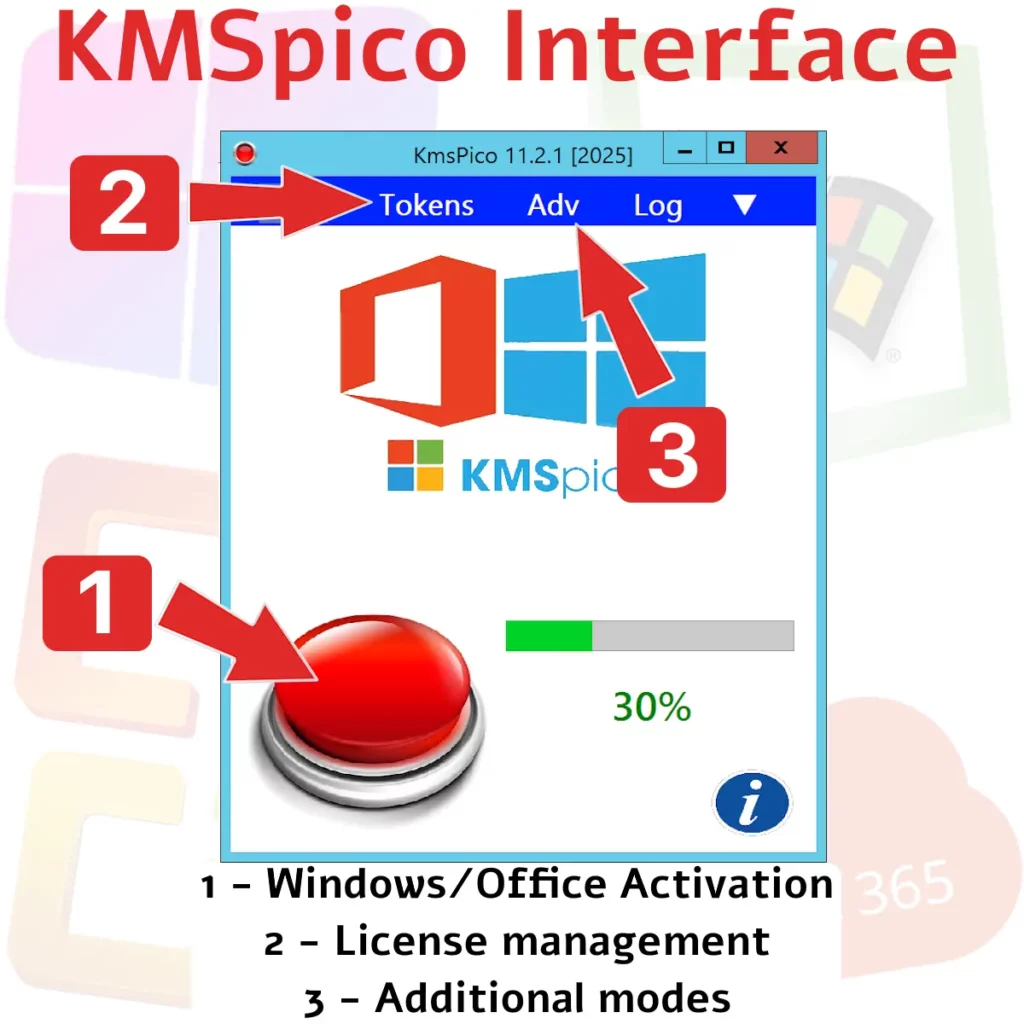
Km spico is a tool known for activating various Microsoft products without requiring official licenses. It’s categorized under alternative licensing models — specifically as an office activator and kms activation method. While it offers functionalities like activating office 2021 or enabling Windows 10 and 11, it raises questions about legality and ethics. The appeal of km spico lies in its ability to bypass traditional purchase channels, thus providing users with immediate access to full software capabilities without the associated costs. This makes it particularly attractive to those who prioritize budget constraints over compliance.
Traditional Licensing Models: A Foundation
Traditional licensing involves permanent rights to use a version of software upon purchase. This often requires significant upfront investment but ensures predictable costs over time. Maintenance fees might apply for updates or support, yet users can rely on consistent performance without recurring license renewals. Such models have long been favored by enterprises seeking stability and predictability in their IT expenditures, allowing them to plan budgets effectively while ensuring uninterrupted service delivery through guaranteed software availability.
The Role of Km Spico in Activation
Km spico serves users needing quick activation solutions without incurring high costs from traditional models. Serving as a kmspico windows 10 activator and kms auto tool, it simplifies the process by circumventing official mechanisms. This method highlights a stark contrast between authorized purchases and alternative activation routes. By offering a workaround to formal licensing processes, km spico raises important discussions about user autonomy in the digital age — balancing cost-efficiency with legal considerations.
Exploring Modern Alternatives: Subscription and Freemium Models
Unlike km spico’s approach, subscription models offer flexibility through periodic payments, granting access to updates and support. Freemium models provide basic functionality free of charge, monetizing advanced features via subscriptions or one-time upgrades. These alternatives resonate with businesses prioritizing cost management and adaptability. As organizations increasingly adopt cloud-based solutions, these modern licensing strategies enable them to scale operations efficiently while maintaining control over expenses.
KMS Tools and Their Functionality
A key player in alternative licensing is the KMS (Key Management Service) tool family. These tools automate activations across networks using local servers instead of contacting original providers directly. KMS office 2016 exemplifies how businesses manage licenses internally while avoiding external dependencies. By leveraging internal resources for activation purposes, companies can streamline operations and ensure continuity even when external connections are unreliable or unavailable.
Legal Considerations of Using Km Spico
The use of km spico comes with potential legal implications since it bypasses official purchasing channels. Understanding regional regulations is crucial as unauthorized activation could lead to penalties or software malfunctions due to lack of support or updates. Users must weigh the short-term benefits against long-term risks to avoid potential legal repercussions that could disrupt business operations or compromise data security.
Technical Requirements for Implementing Km Spico
- Minimum system requirement: VM with 2 vCPU / 4 GB RAM
- A command like DISM can aid in deploying related services effectively
- Snapshot timing is essential to restore systems pre-activation trials if needed
Kilometer Scale Mapping in Software Usage
Incorporating concepts like kilometer scale mapping aids organizations in visualizing their software usage spatially. Such analyses help determine which licensing model aligns best with operational goals by correlating geographic data with software deployment efficiency. By understanding usage patterns on a macro scale, companies can optimize resource allocation and improve decision-making processes regarding future investments in technology infrastructure.
The Impact of Km Spico on Market Dynamics
While km spico disrupts traditional markets by lowering entry barriers, it also pressures vendors to innovate enhancements in legitimate product offerings. Companies respond by improving customer engagement strategies, offering bundled services or exclusive features that enhance value propositions beyond mere functional activations. This competitive landscape fosters innovation as businesses seek novel ways to attract and retain customers amid evolving consumer expectations.
Balancing Risk and Reward
Organizations must weigh each model’s risks against benefits — potential cost savings with tools like km spico versus compliant advantages with official licenses. Factors influencing decisions include security needs, user base size, technical infrastructure, and change readiness. Ultimately, selecting an appropriate licensing strategy requires careful analysis of organizational priorities alongside external market conditions that may impact implementation success.
The Future of Licensing: A Hybrid Approach?
The evolution toward hybrid models combines traditional structures with flexible elements seen in alternatives like kms activator windows 11 solutions. This balance offers both stability from perpetual ownership and adaptability from subscription-based access, accommodating diverse business landscapes effectively. As technology continues to evolve at a rapid pace, hybrid approaches may represent the future of software licensing — integrating best practices from multiple paradigms into cohesive frameworks tailored for modern enterprises.
The exploration of hybrid models not only reflects a blending of old and new but also embodies the essence of adaptability necessary for survival in an ever-changing digital world. Companies that successfully navigate this transition stand poised to thrive amid uncertainty by establishing robust frameworks that leverage both legacy systems’ reliability and cutting-edge innovations’ dynamism.
This shift toward hybrid licensing represents more than just a merging of methods; it’s indicative of a broader trend toward customization within the industry itself — acknowledging diverse client needs while delivering tailored experiences capable of addressing specific challenges head-on without sacrificing quality or efficiency along the way.
In conclusion, understanding the nuances between traditional and alternative licensing models helps organizations navigate complex choices strategically. Whether opting for established methods or exploring innovations like km spico, informed decisions hinge on aligning capabilities with long-term objectives while mitigating associated risks responsibly. As the digital ecosystem expands further into uncharted territories, successful navigation will depend on agile strategies capable of adapting swiftly to changing demands without compromising core values.